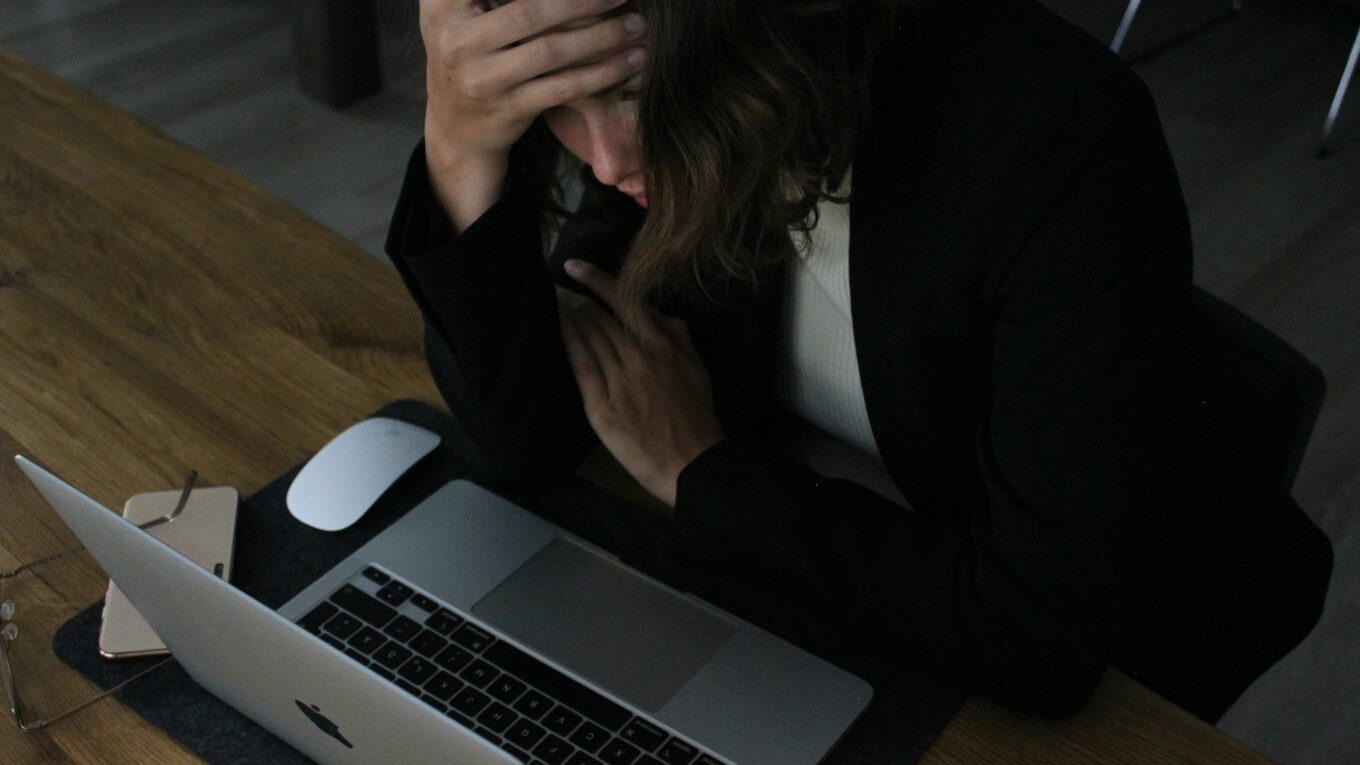
The Link Between Stress, Health, and Appearance
The Link Between Stress, Health, and Appearance
We often think of stress as an emotional or mental burden, a feeling of being overwhelmed by life’s demands. While that’s true, stress is also a powerful physical force that can significantly and visibly impact our health and appearance. Understanding this connection is the first step toward managing its effects and protecting your overall well-being.
Understanding Stress Responses
When you encounter a perceived threat, your body’s nervous system kicks into high gear. This is the well-known “fight-or-flight” response. Your brain signals the release of hormones like adrenaline and cortisol, which prepare your body to either confront the danger or flee to safety. This response is incredibly useful for short-term, acute situations, like swerving to avoid a car accident.
The problem arises when this stress response activates repeatedly or stays on for long periods. This is known as chronic stress. The constant flood of stress hormones can disrupt nearly all of your body’s processes. You can learn more about stress, including what it is, from medical experts who study its long-term effects.
How Stress Affects Your Body
Under chronic stress, the elevated levels of cortisol can cause a cascade of negative health effects. This hormone can increase inflammation, raise blood pressure, and suppress the immune system, making you more susceptible to illness. It can also interfere with digestion, disrupt sleep patterns, and contribute to feelings of anxiety or depression.
One common effect that isn’t always discussed is on hair health. High cortisol levels can push a large number of hair follicles into a resting phase, disrupting the natural growth cycle. A few months later, you might notice significant shedding, a condition known as telogen effluvium. This is a surprisingly common factor in temporary women’s hair loss and can be very distressing, adding to the cycle of stress.
Physical Manifestations of Stress
The internal turmoil caused by stress often shows up on the outside. These physical signs can be your body’s way of signaling that it’s under too much pressure. Beyond hair thinning, you might notice other changes in your appearance.
The American Psychological Association details many of the effects of stress on the body, which can include:
- Skin Problems: Stress can trigger or worsen conditions like acne, eczema, psoriasis, and hives. Increased oil production can clog pores, and inflammation can cause flare-ups.
- Dull Skin and Fine Lines: Cortisol breaks down collagen and elastin, the proteins that keep skin firm and plump. Over time, this can lead to premature aging, fine lines, and a lackluster complexion.
- Weight Changes: For some, stress leads to a loss of appetite. For others, it triggers cravings for high-fat, sugary foods, which can lead to weight gain, particularly around the abdomen.
- Brittle Nails: The same nutrients that support healthy hair also support your nails. When stress diverts resources away from these areas, nails can become weak and prone to breaking.
Effective Stress Reduction Techniques
While you can’t eliminate stress entirely, you can learn to manage it more effectively. Building a toolkit of stress-reduction strategies can help lower your cortisol levels and mitigate the physical effects. Start by incorporating simple, consistent habits into your daily routine.
Regular physical activity is one of the most effective methods for combating stress. Even a brisk 20-minute walk can boost endorphins and improve your mood. Mindfulness practices like meditation or deep breathing exercises can also calm your nervous system. Prioritizing sleep is equally important; aim for 7-9 hours of quality rest per night to allow your body to repair and recover. Finally, don’t underestimate the power of social connection. Spending time with friends and family can provide a powerful buffer against life’s pressures.
Seeking Help for Persistent Issues
If you’ve tried self-help techniques and still feel overwhelmed, or if the physical symptoms are causing you significant distress, it may be time to seek professional help. A therapist or counselor can help you identify the root causes of your stress and develop personalized coping strategies.
Similarly, don’t ignore persistent physical symptoms. If you’re experiencing significant hair shedding, chronic skin issues, or other concerning changes, consult a doctor or a dermatologist. They can rule out other underlying medical conditions and recommend appropriate treatments. Acknowledging that you need support is a sign of strength and a crucial step toward regaining control over your health.
Managing stress is not just about feeling better mentally; it’s about protecting your physical health from the inside out. Recognizing the signs and taking proactive steps helps you support your body’s resilience and maintain your health and vitality for years to come.
Image credit: Unsplash