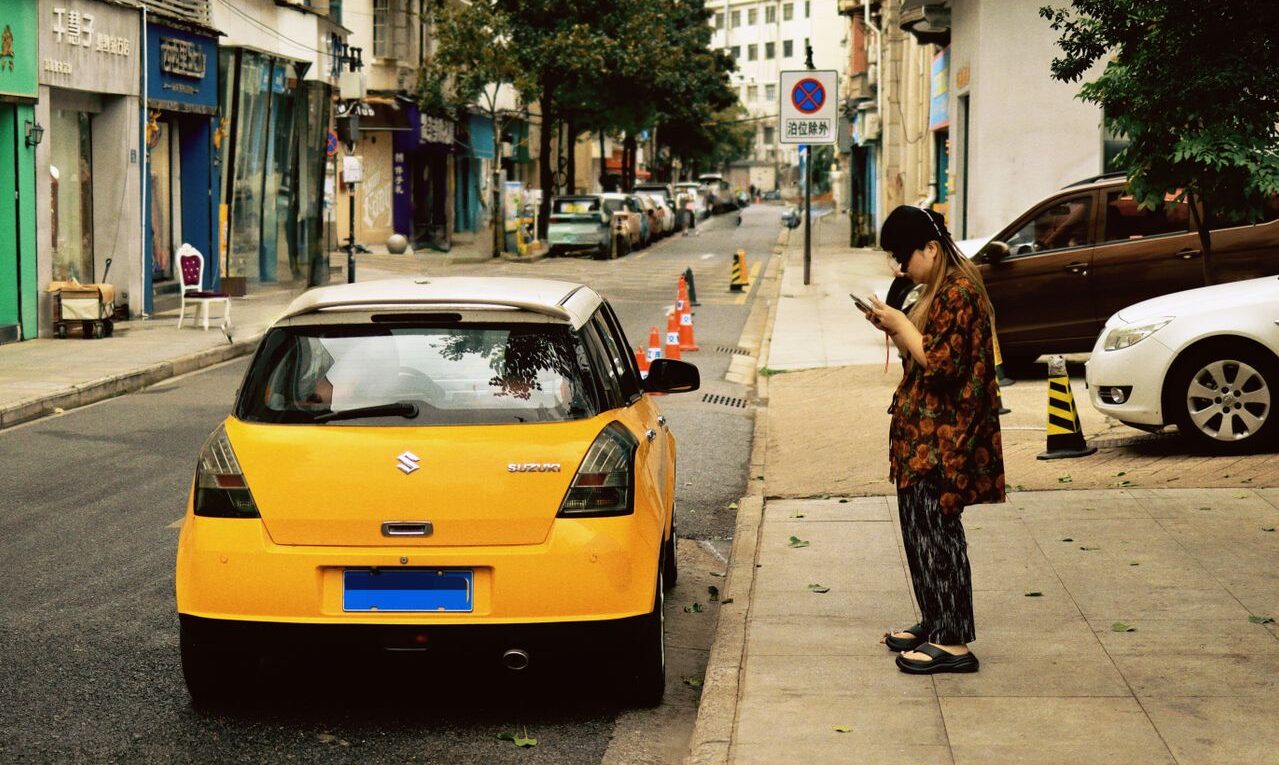
How to Choose a Car for City Driving
How to Choose a Car for City Driving
Choosing a car for city driving requires many different choices and decisions than buying a car for frequent long-distance driving or buying a family car. City drivers often face challenges such as tight parking spaces, stop-and-go traffic, and frequent short trips that can often rule out a great number of makes and models as suitable choices.
If buying a city car is on the agenda and you don’t know where to start, here are a few practical factors that help you limit anything unsuitable, or that will make life harder than it needs to be.
Fuel Efficiency
Stop-and-go traffic takes its toll on fuel economy, so a car’s real-world efficiency in city conditions matters more than its highway rating for anyone doing most of their driving within town. Smaller engines and hybrid powertrains tend to perform better under these conditions since they’re designed to handle frequent starts and stops without burning excess fuel.
Compact models like the Hyundai i10 are built with this kind of driving in mind, offering lower running costs that are more suited to short, frequent trips than larger vehicles designed for sustained highway speeds. So check the car’s city-specific mpg rating rather than its combined or highway rating to get a better idea of how economical it will be.
Parking and Maneuverability
A smaller turning circle and compact dimensions make a noticeable difference in cities with narrow streets, tight parking garages, or limited on-street parking. Parking sensors and a rearview camera can help here too, especially if you’re going to need to park in tighter spaces. Some models now offer semi-automated parking assist for particularly tight spots.
If you’re going to test drive, do so in conditions similar to those you’re likely to encounter on a daily basis rather than just the dealership lot. This will give you a better sense of how a car handles tight turns or parallel parking before you commit to a purchase.
Insurance Group Ratings
Everyone knows that insurance costs vary significantly by vehicle, and smaller, lower-powered cars often fall into cheaper insurance groups than larger or more powerful models. This is important for city driving, as you’re more likely to experience minor bumps and scrapes in tight traffic and parking situations than on open roads.
Then you need to look at safety features like automatic emergency braking, which can help to lower a car’s insurance group too, so it’s worth checking what’s included as standard rather than just assuming a smaller car is automatically cheaper to insure.
Cargo Space for Daily Errands
Smaller cars come with less trunk space as standard, and while this might not be a deal-breaker if you need to transport pets or you frequently load your vehicle up for work or leisure purposes, you’re going to need to make sure the trunk space isn’t too limited and can fit what you need. Whether you need space for groceries, a stroller, or gym bags, it’s the space you have to assess if it’s going to be enough for your usual daily needs.