How to Curate a Personal Collection With Meaning
Starting a personal collection is a wonderful way to connect with your own history, passions, and interests. It’s more than just gathering things; it’s about putting together a group of objects that tell a story- your story. A truly meaningful collection shows what you find beautiful, interesting, or important.
Whether you’re into vintage maps, first-edition books, or classic vinyl records, each piece adds a new chapter to a narrative that’s all your own.
Finding Your Passion: What to Collect
The first step in building a collection is figuring out what you want to collect. The best collections come from genuine interest, not from trying to follow trends. Think about what really fascinates you. Are you drawn to history, art, design, or technology? Your collection should feel like an extension of who you are. If you’re not sure where to start, exploring some tips for finding your passion can help you find your way.
Once you have an idea, begin small. You don’t need to get the rarest or most expensive item right away. The real joy is in the search and the learning process. For example, if you love graphic design, you might start by collecting vintage concert posters. If visual arts are your thing, you could learn how to start a meaningful art collection with smaller, more affordable pieces from local artists. The main thing is to pick a category you’ll enjoy researching and adding to for years to come.
Research and Authenticity: Know Your Items
After you’ve chosen your focus, research becomes your most important tool. To build a credible and valuable collection, you need to understand the history, context, and key features of your items. Learn to spot maker’s marks, signatures, historical periods, and signs of authenticity. This knowledge not only protects you from fakes but also deepens your appreciation for each piece.
For specialized items, local experts can be incredibly helpful. Their hands-on experience often provides details you just can’t find online. For instance, if you were trying to confirm the origin of luxury watches, a trusted local specialist could offer authentication and historical context. This kind of expertise is invaluable for high-value categories where fakes are common, making sure your collection is built on genuine quality.
Displaying Your Treasures at Home
A collection shouldn’t just sit hidden away in boxes. Displaying your items lets you enjoy them every day and share their stories with others. The right display can turn your collection into a stunning centerpiece in your home. Think about using dedicated shelves, glass-front cabinets, or shadow boxes to show off your treasures while keeping them safe.
Consider your lighting and where you place things. Don’t put delicate items like textiles or documents in direct sunlight, as it can cause fading and damage over time. Spotlights can highlight specific pieces, while ambient lighting can create a warm, inviting atmosphere around your display. Arrange your items thoughtfully, grouping them by theme, color, or era to create a cohesive and visually appealing presentation.
Building a Legacy: The Value of Timepieces
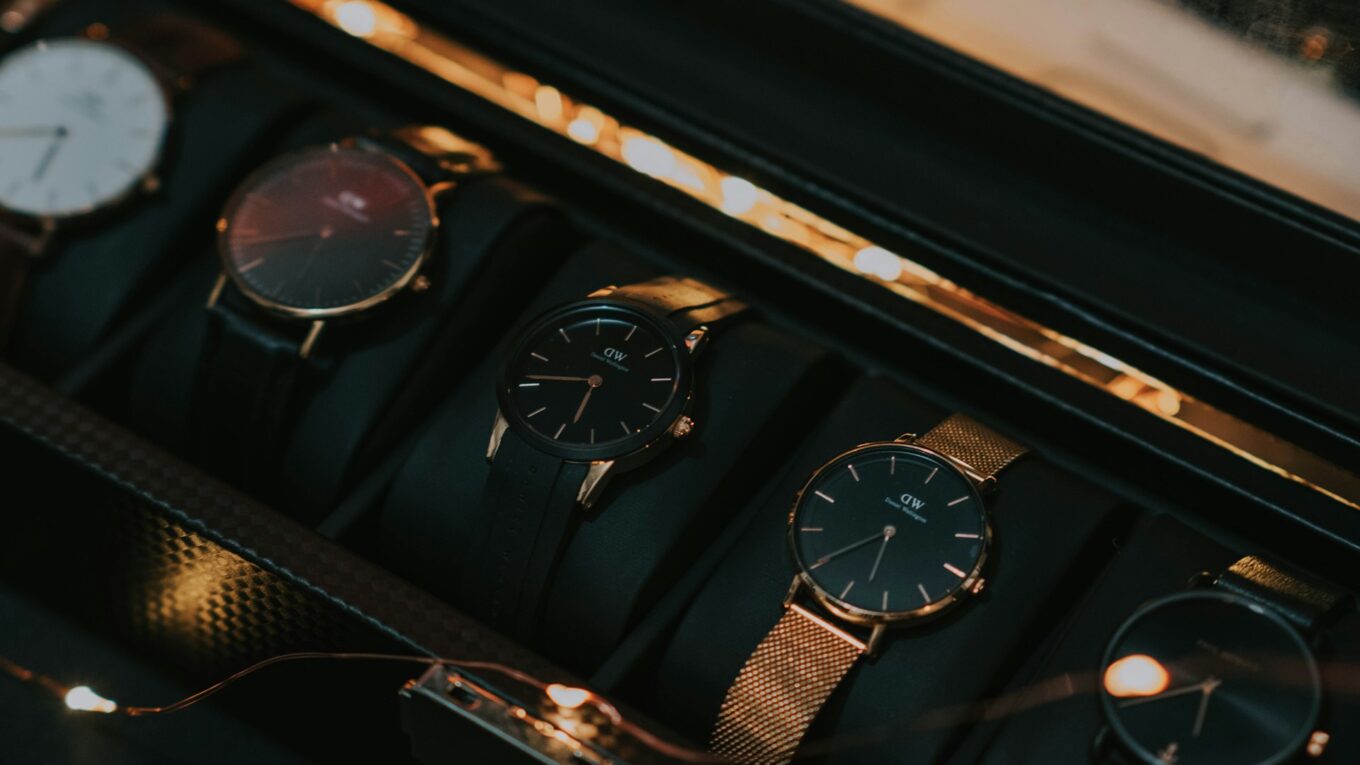
Some collections can become more than just a personal hobby; they can turn into a legacy. Items with lasting craftsmanship and timeless appeal, like fine art, rare coins, or mechanical timepieces, often increase in value and can be passed down through generations. Timepieces, in particular, are a compelling example of a collection that mixes personal passion with long-term value.
A well-made watch is a marvel of engineering and artistry. Collecting them allows you to connect with a rich history of innovation and design. Each piece can represent a different era or technological milestone. Beyond their mechanical complexity, these items often carry personal stories. A watch worn for a special occasion or passed down from a family member holds sentimental value that far exceeds its monetary worth, making it a perfect cornerstone for a collection meant to last.
Maintaining and Protecting Your Collection
A collection is an investment of your time, money, and emotions, so it’s important to protect it. Proper maintenance is crucial for keeping your items in good condition and preserving their value. This means regular, gentle cleaning based on what each material needs, and storing items in a stable environment with controlled temperature and humidity.
For high-value collections, think about getting a professional appraisal and insuring your items. An appraisal gives you an official valuation for insurance and can be useful if you ever decide to sell a piece. Keep detailed records of your collection, including photographs, purchase receipts, and any documents about its origin or authenticity. This documentation is not only essential for insurance but also enriches the story of your collection for you and for future generations who might inherit it.
A personal collection is a living, breathing part of your life that changes as you do. It’s a tangible representation of your journey, your interests, and the stories you want to tell.