Essential Home Maintenance Tips Every Homeowner Should Know
Essential Home Maintenance Tips Every
Homeowner Should Know
Owning a home is a rewarding experience, but it also comes with the responsibility of protecting your investment. Staying on top of maintenance can feel overwhelming, but a proactive approach helps prevent small issues from turning into costly disasters. Learning to spot trouble early and performing regular checks helps you keep your property safe, secure, and in great condition for years. Learning to recognize warning signs early can save you significant time, money, and stress in the long run. For more examples of issues that homeowners often overlook, visit https://reviewingforyou.com/spot-warning-signs-break-home-altogether/.
Regular Home Maintenance Checks
One of the best ways to protect your home is to catch problems before they start. Creating a seasonal checklist for preventative home maintenance can make this process manageable. In the fall, focus on cleaning gutters to prevent ice dams and water backup. In the spring, inspect the roof for any shingles that were damaged during winter storms and check for cracks in your driveway or walkways.
Don’t forget the inside of your home. Test your smoke and carbon monoxide detectors monthly, and change the batteries at least once a year. Your HVAC system also needs attention; changing the filter every few months can improve air quality and help your system run more efficiently, saving you money on energy bills. For a more comprehensive seasonal maintenance checklist, visit https://content.ces.ncsu.edu/preventative-home-maintenance/
Spotting Early Signs of Water Damage
Water is one of the most destructive forces your home can face, and damage often starts subtly. Being vigilant can save you from major headaches down the road. Keep an eye out for telltale signs like faint, musty odors that you can’t seem to trace, or dark, discolored spots appearing on ceilings or walls. Other indicators include paint that is bubbling or peeling and flooring that has started to warp or feel soft underfoot.
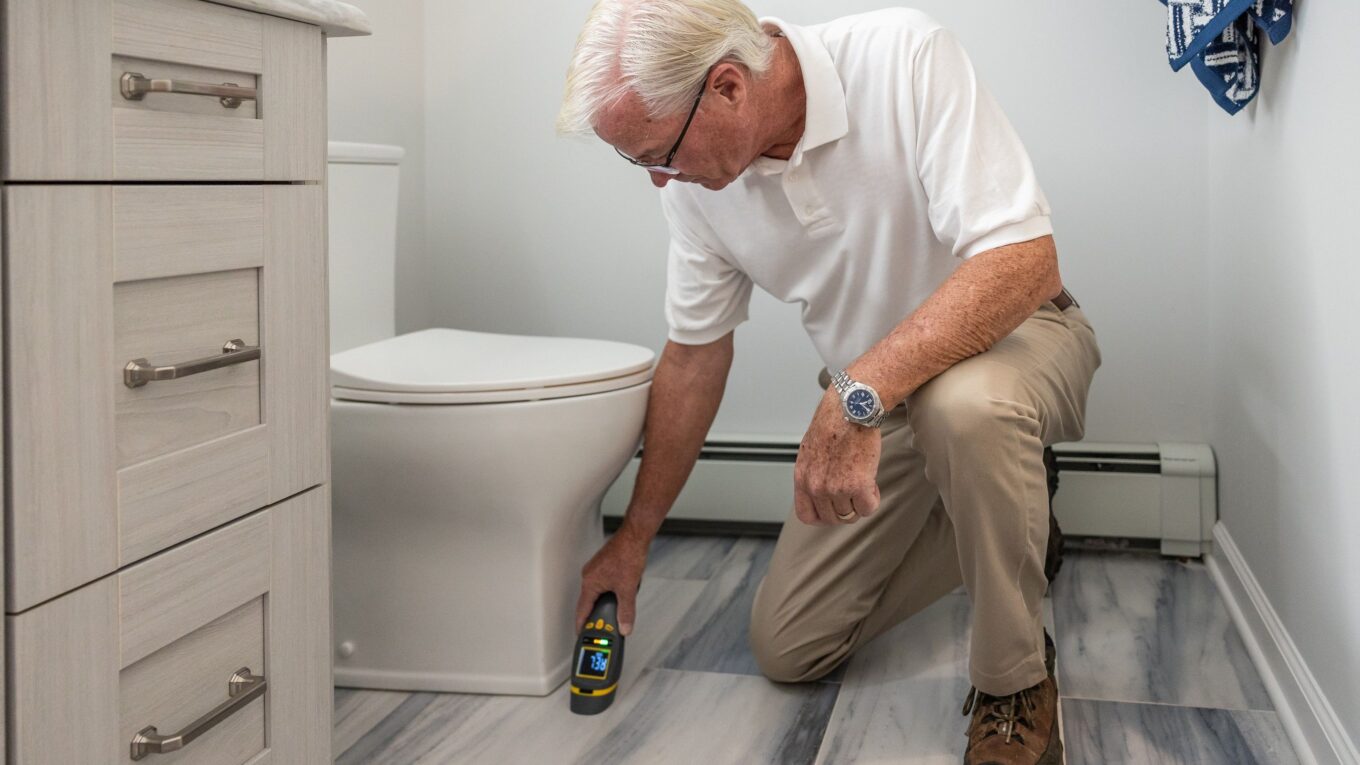
Make it a habit to periodically check under sinks, behind toilets, and around appliances like your dishwasher and washing machine. If you discover significant water damage, widespread discoloration, or sagging drywall, it’s often a sign that the issue extends beyond what you can see. Professional restoration specialists use specialised equipment to locate hidden moisture, dry affected materials, and help prevent secondary damage. You can find more information about these services at eastsiderestorepros.com
Preventing Mold Growth Indoors
Where there’s moisture, there’s often a risk of mold. Mold not only causes structural damage but can also affect your family’s health. The key to preventing mold is controlling indoor humidity. Use exhaust fans in your kitchen and bathrooms to vent steam and moisture outside. If you live in a humid climate, a dehumidifier can help maintain a healthy moisture level in basements and other damp areas.
Promptly fixing leaks is another critical step. A small drip from a pipe might not seem like a big deal, but it creates the perfect environment for mold to thrive. The EPA offers excellent guidance on home maintenance practices that include finding and fixing leaks to conserve water and prevent property damage. Ensure your home has good airflow by opening windows when possible and not blocking air vents with furniture.
Fire Safety for Every Family
Protecting your home from fire requires both the right equipment and the right habits. Every home should have smoke alarms on each level, inside every bedroom, and outside sleeping areas. Test them monthly to ensure they are working properly. It’s also wise to have at least one fire extinguisher, typically in the kitchen, and to know how to use it.
Creating and practicing a family fire escape plan is just as important. Make sure everyone knows two ways out of every room and has a designated meeting spot outside. Simple daily habits also contribute to fire safety. Avoid leaving cooking unattended, don’t overload electrical outlets, and keep flammable materials away from heat sources.
When to Call the Professionals
While DIY maintenance can handle many tasks, it’s important to recognize when a job is too big or too dangerous to tackle on your own. Issues like major electrical problems, significant roofing damage, or structural concerns should always be left to licensed professionals. Trying to fix these problems yourself can lead to further damage or even personal injury.
Similarly, if you discover widespread mold or extensive water damage, a professional restoration company has the specialized equipment and expertise to handle the situation safely and effectively. While it might be tempting to save money by doing it yourself, hiring a pro often proves more cost-effective in the long run by ensuring the problem is completely resolved the first time.
Protecting your property is an ongoing process, but it doesn’t have to be a burden. A little regular attention and knowing when to ask for help can ensure your house remains a safe and welcoming home.
Image Credit: Pexels